
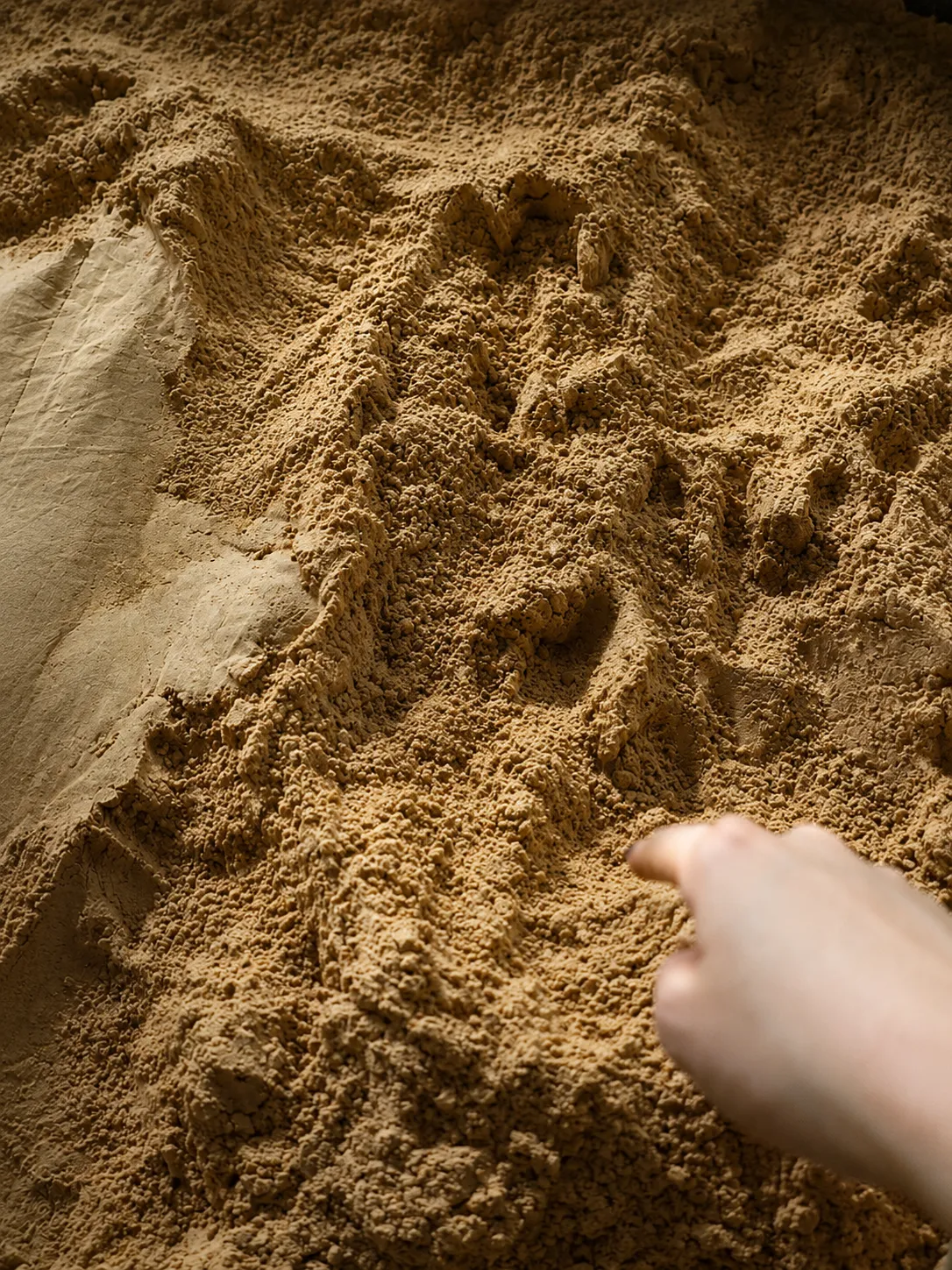
Grounded in Sandalwood
Red and white sandalwood lend the incense a warm, woody depth — familiar and steady, with a quiet presence that settles naturally into the space.
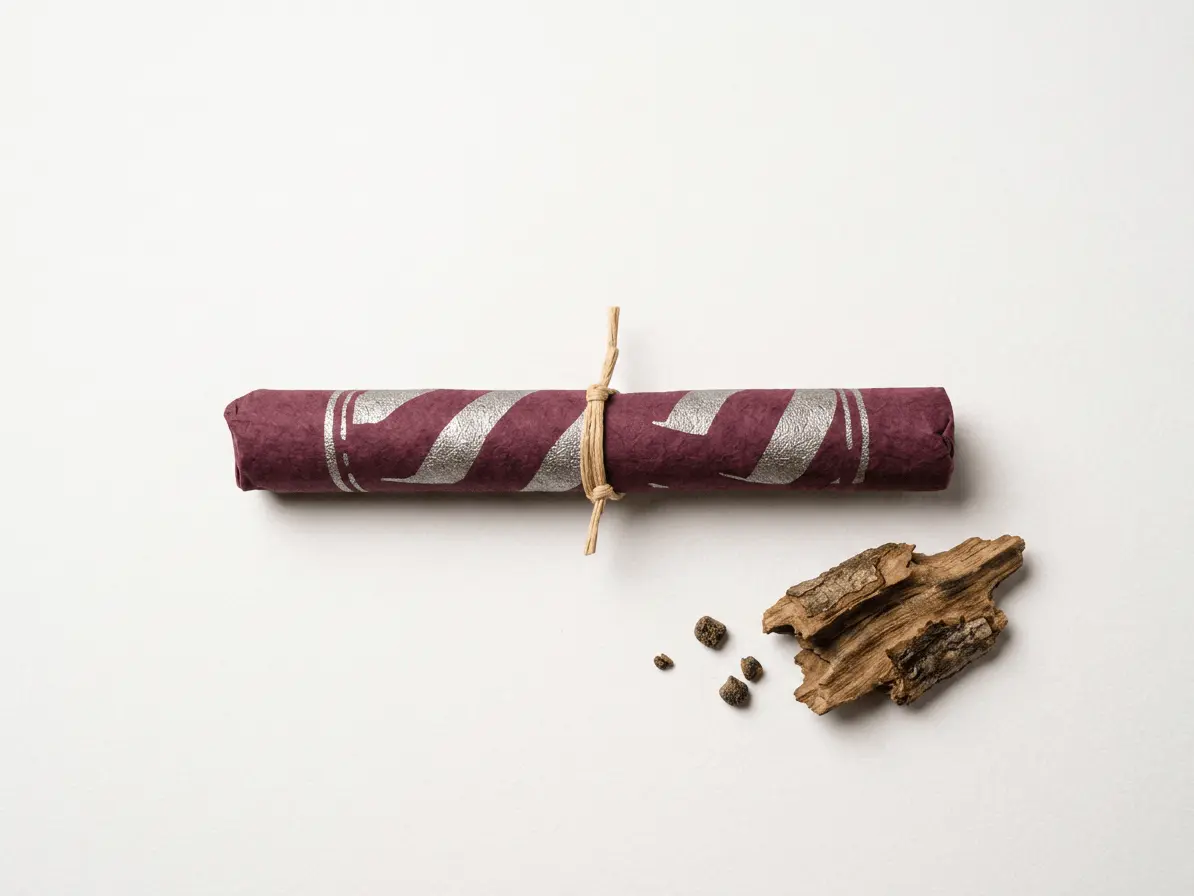
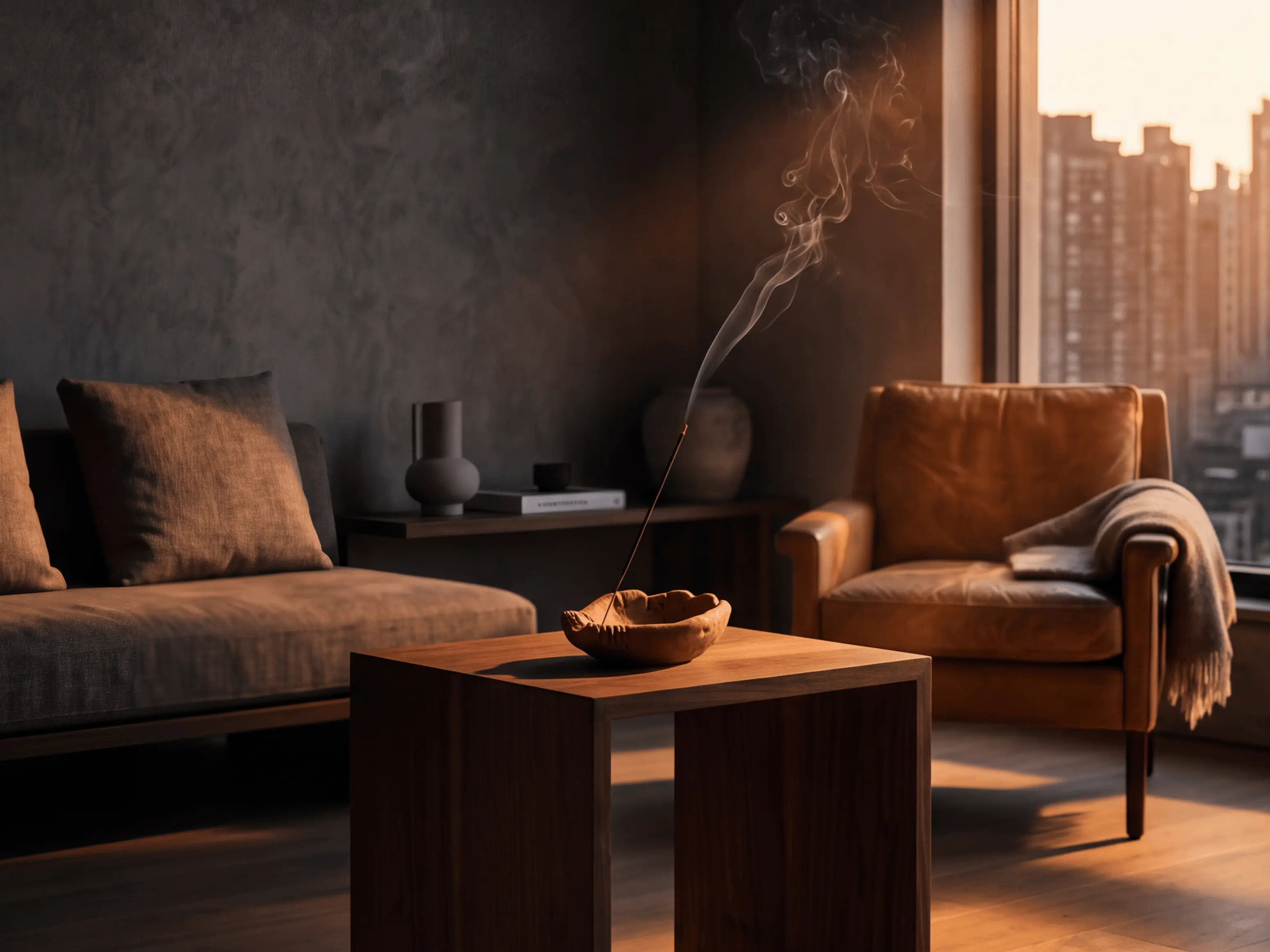
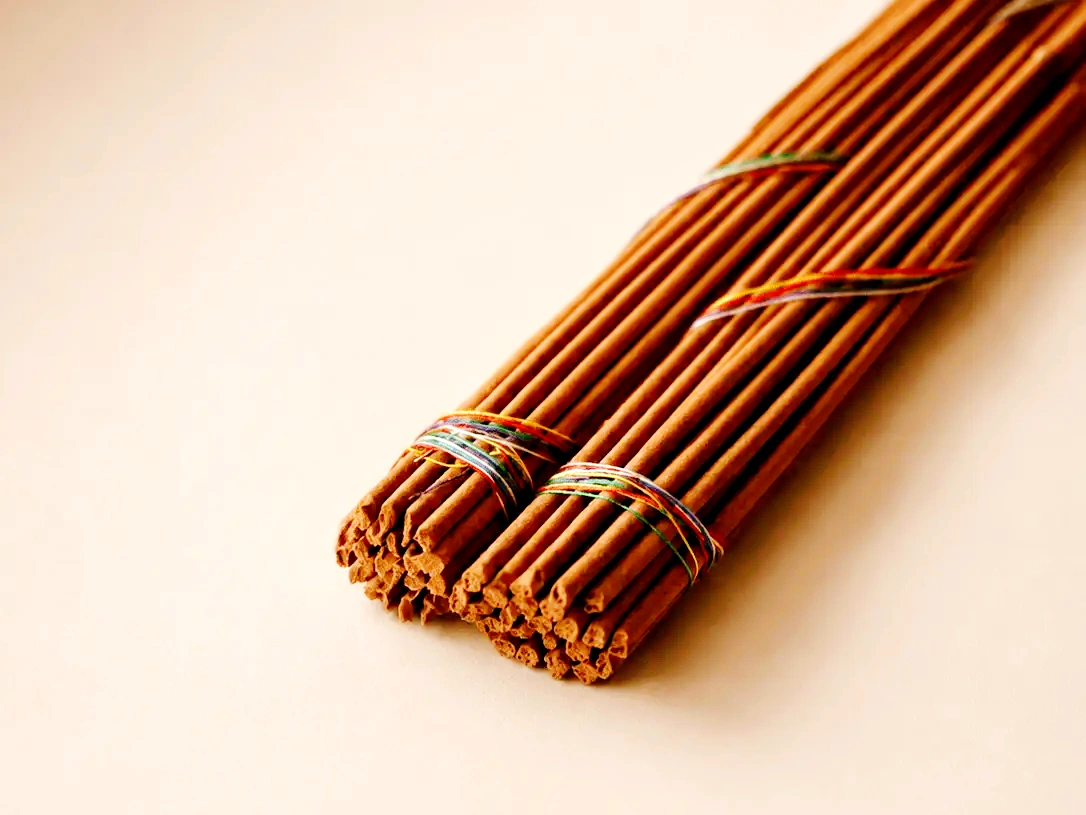
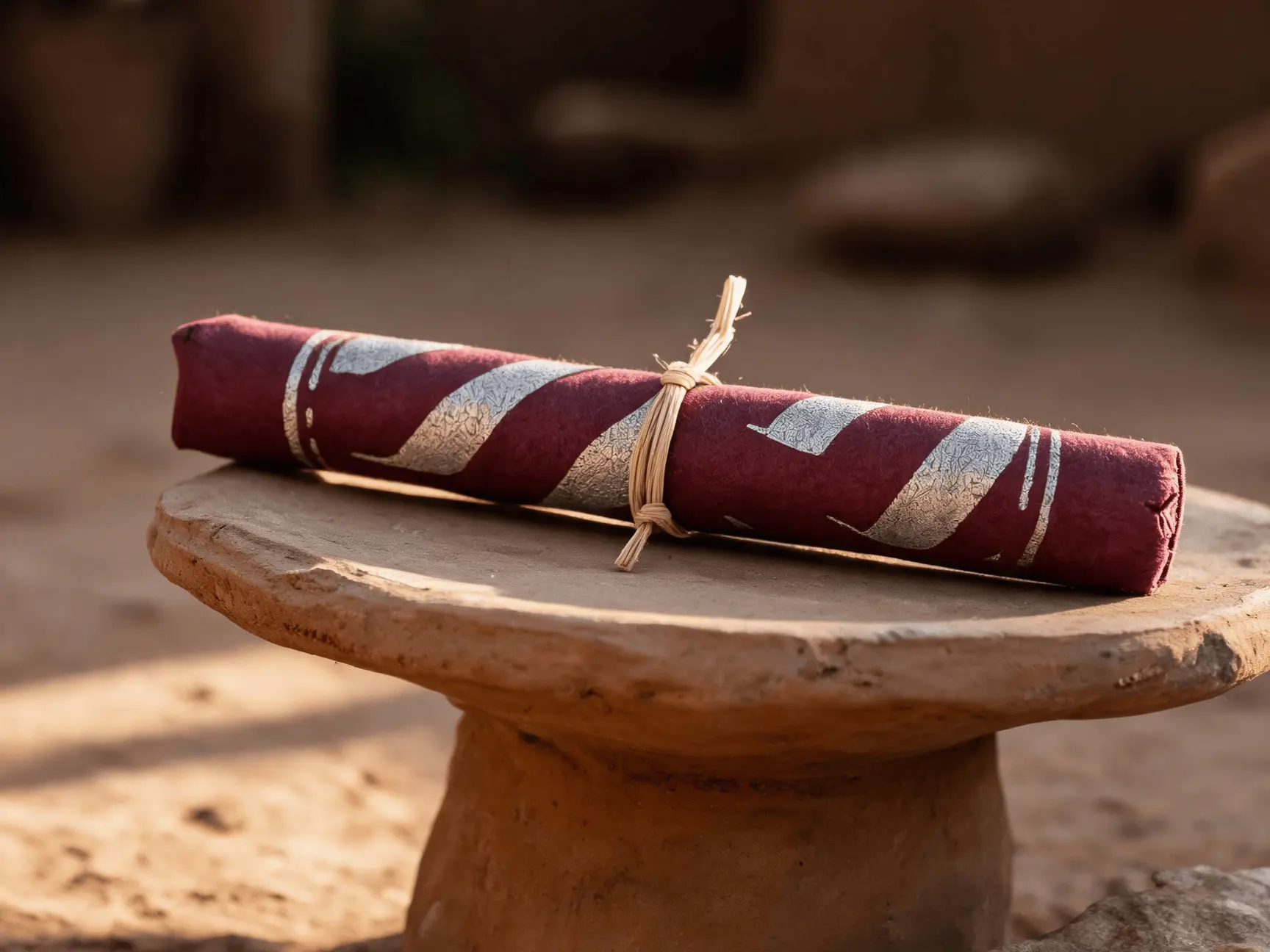
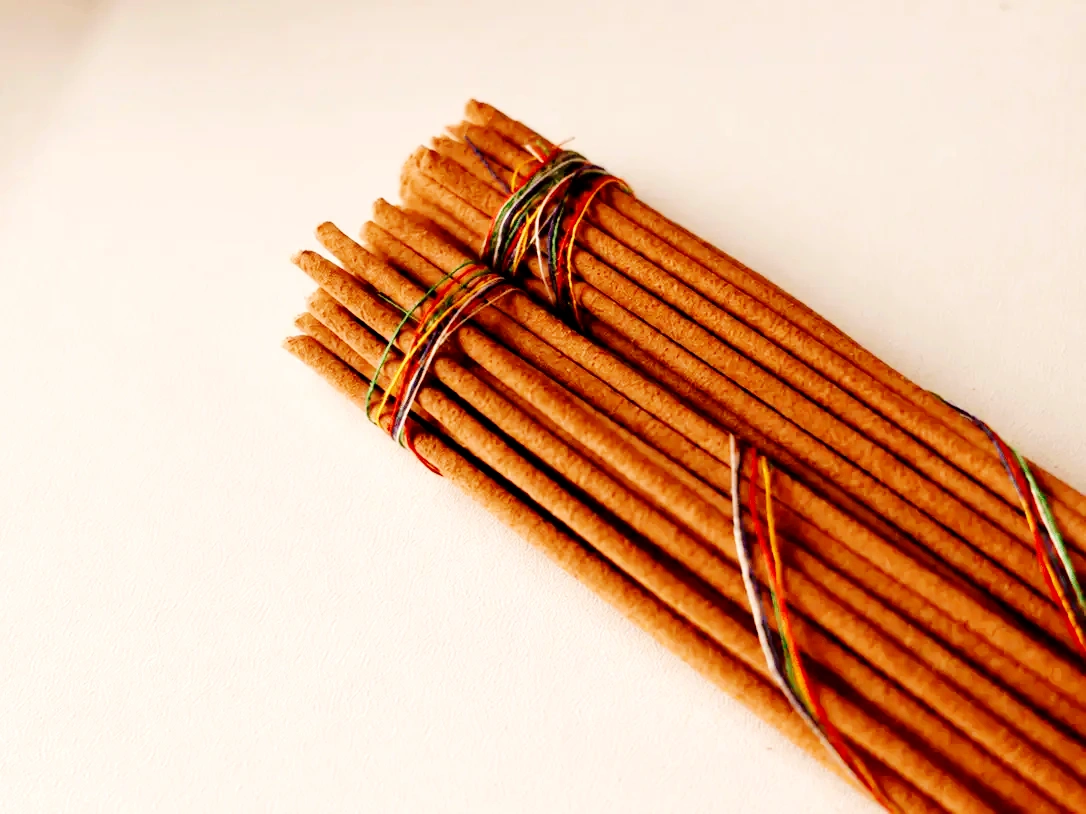
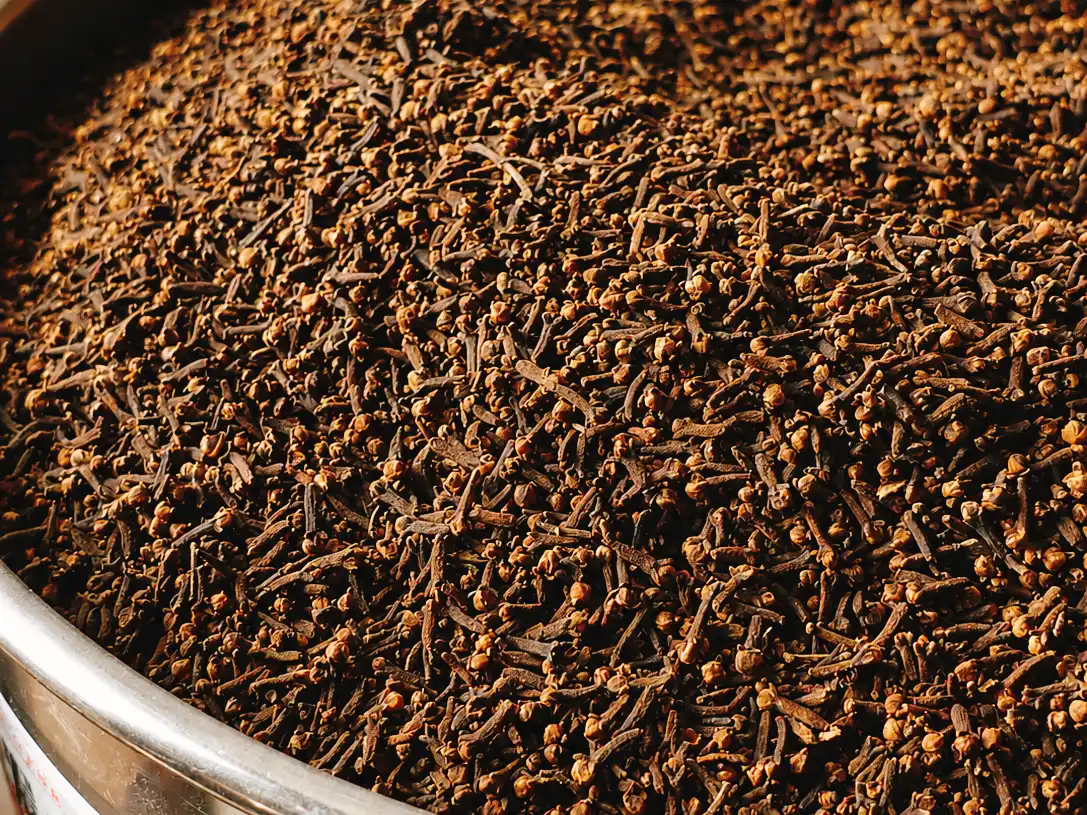
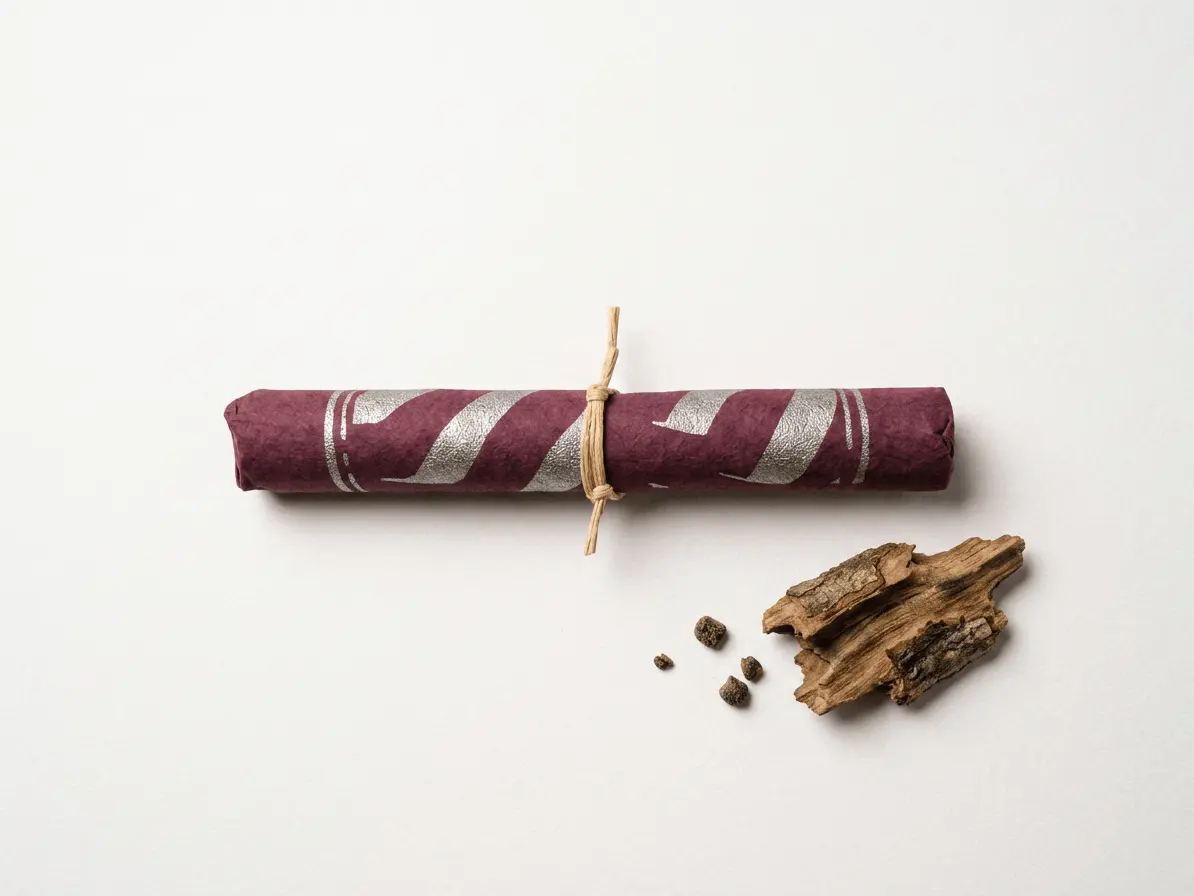

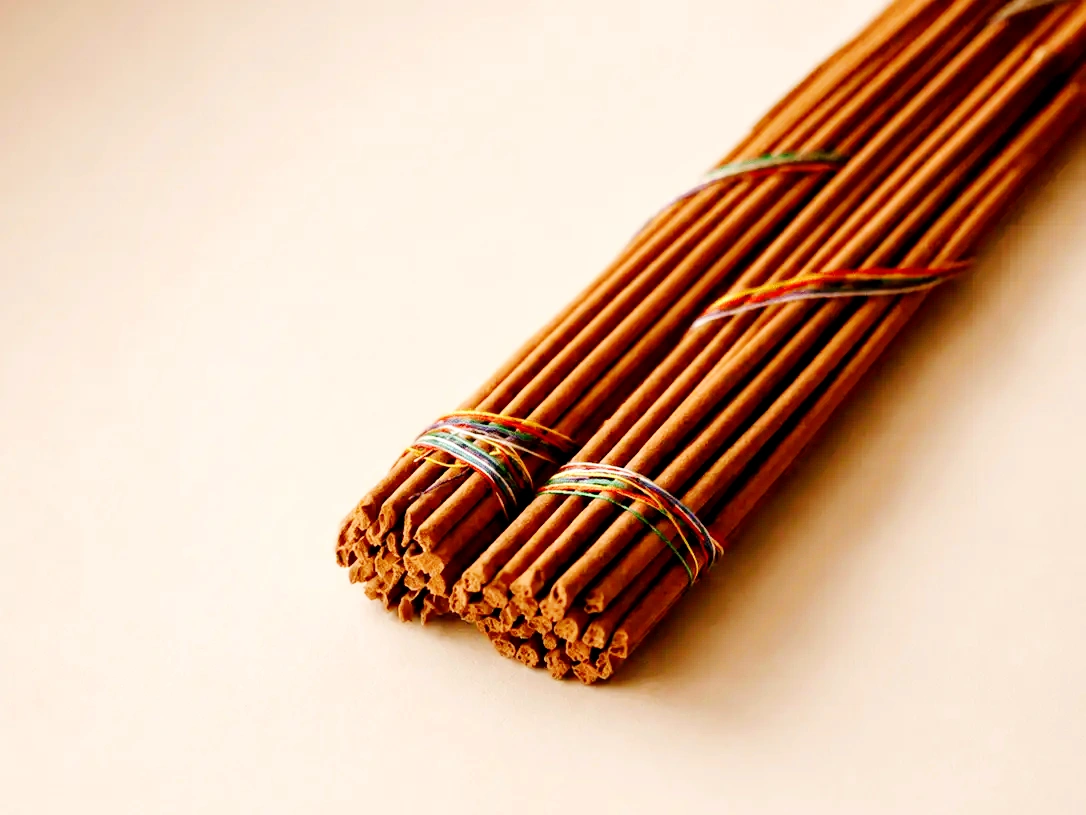
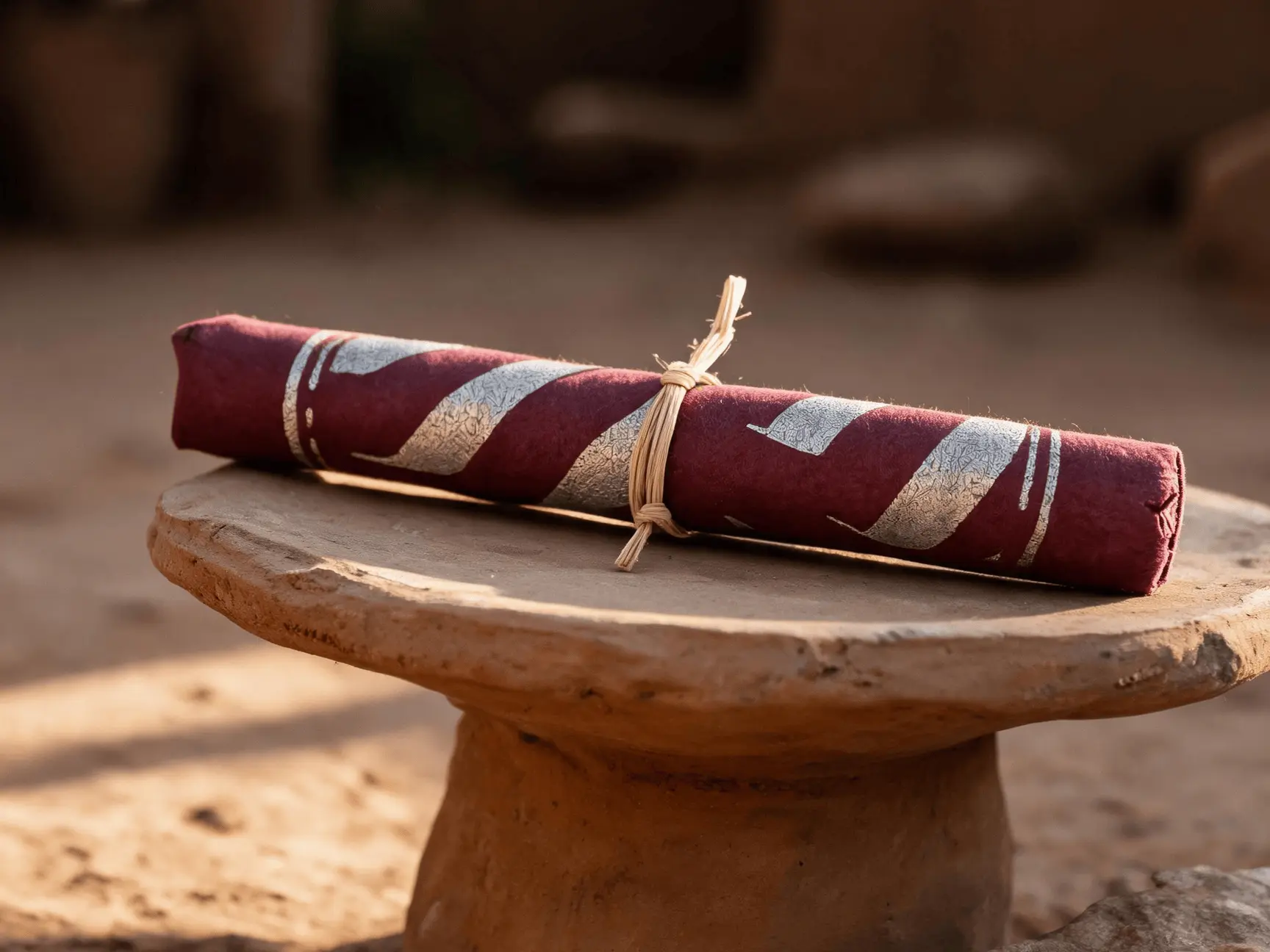
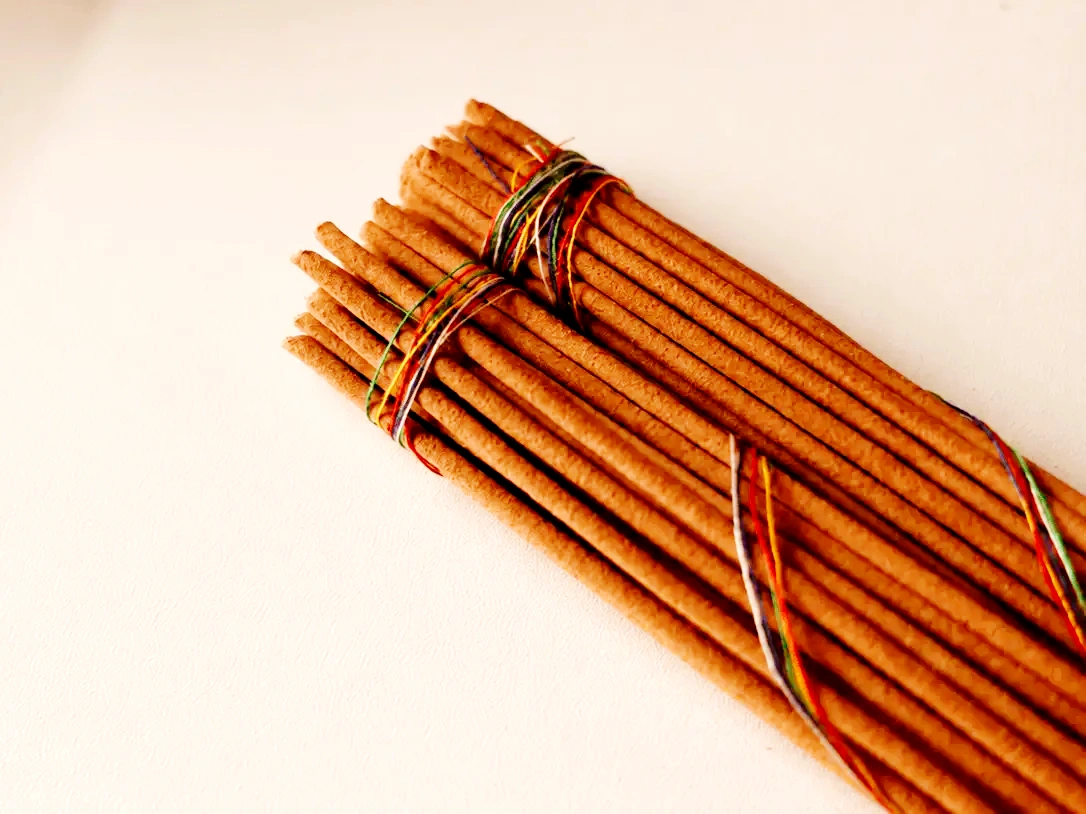
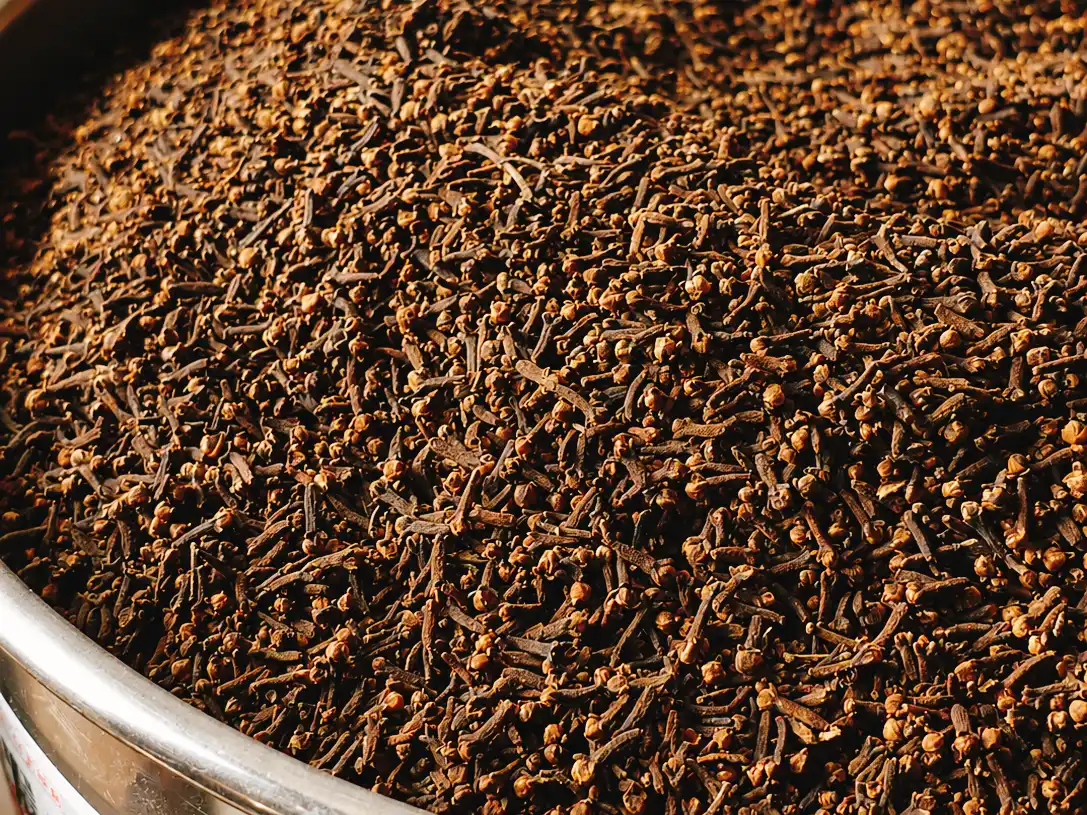
Tibetan Herbs / Dry Grass / Soft Smoke / Agarwood
50 hand-rolled incense sticks, approx. 28 cm / 11 in. each
Rongwo 35 comes from the historic Rongwo Monastery in the Amdo region of Tibet. The monastery lies beside the fertile Gandan Grasslands, an area known for its rare botanicals and aromatic plants, and often called "the Jewel of the Huangshui Valley."
Here, herbs, incense, offerings, and everyday life are closely intertwined. This incense is hand-rolled by monks following the monastery's traditional formula, using more than twenty natural botanicals and aromatic ingredients, including red and white sandalwood, saffron, agarwood, benzoin, and spikenard.
The scent is deep and grounded, with the character of traditional Tibetan incense. It suits the study, the living room, or a quiet moment at the end of the day.
- Place the incense securely in a suitable holder. Light the tip, then gently blow out the flame.
- Store in a cool, dry place away from direct sunlight and heat.
Packaging - FSC-certified, recyclable paper box and insert.
Shipping - Dispatches from Shanghai within 7–15 business days.
Returns - Unopened and unused items are eligible for return.
Free shipping over $75
Eco-conscious packaging
Secure checkout
Red and white sandalwood lend the incense a warm, rich woodiness, recalling the scent of old monasteries across the Gandan Grasslands. Agarwood, benzoin, saffron, spikenard, and Tibetan herbs come together in a rich, earthy scent. Warm and deeply aromatic, it stays true to the character of traditional Tibetan incense. Deep and grounding, with a warmth that lingers quietly. Its calm, steady character makes it easy to settle into, without ever feeling too heavy. Made for work, reading, and creative time — a quiet companion for hours that call for focus.
Slow down a little. Give yourself, and whatever you're going through, a little more time.
Red and white sandalwood lend the incense a warm, woody depth — familiar and steady, with a quiet presence that settles naturally into the space.
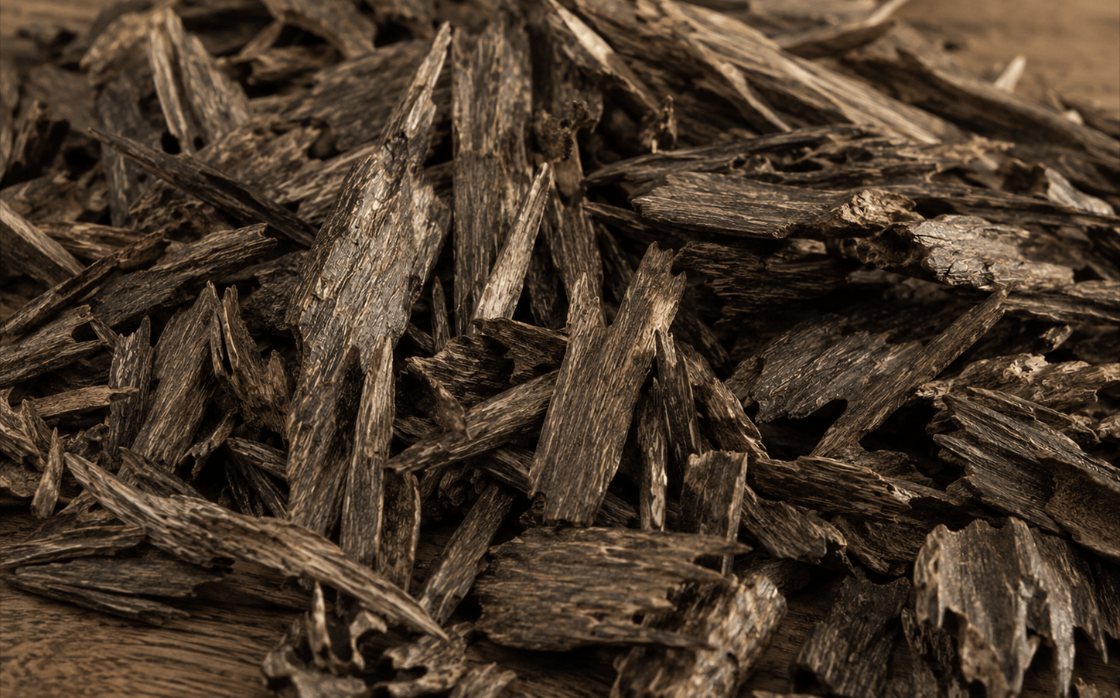
Dark and light agarwood are paired with benzoin, bringing a warm, resinous depth to the scent. Rich and mellow, it leaves a soft, lingering warmth.
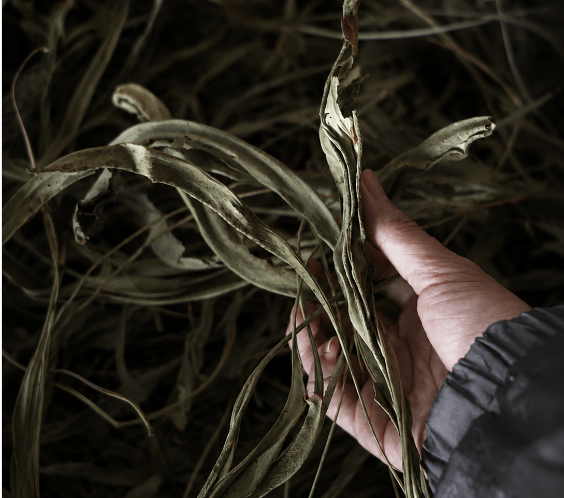
Saffron, spikenard, and traditional Tibetan herbs bring the scent closer to its roots in the Gandan Grasslands, where incense has long been part of daily life.

Rooted in a living monastic tradition, with monks taking part in the making. Each stick is rolled by hand, one at a time, retaining the finer notes that may otherwise be lost to mechanized production.

No charcoal coating. No synthetic fragrance. The natural aroma of woods and herbs comes through, without the harsh edge of a burning charcoal layer.

Traditions passed down through generations bring a quiet sense of trust to what we light today. Gentle smoke and a soft, natural aroma carry the ancient practice into everyday life.
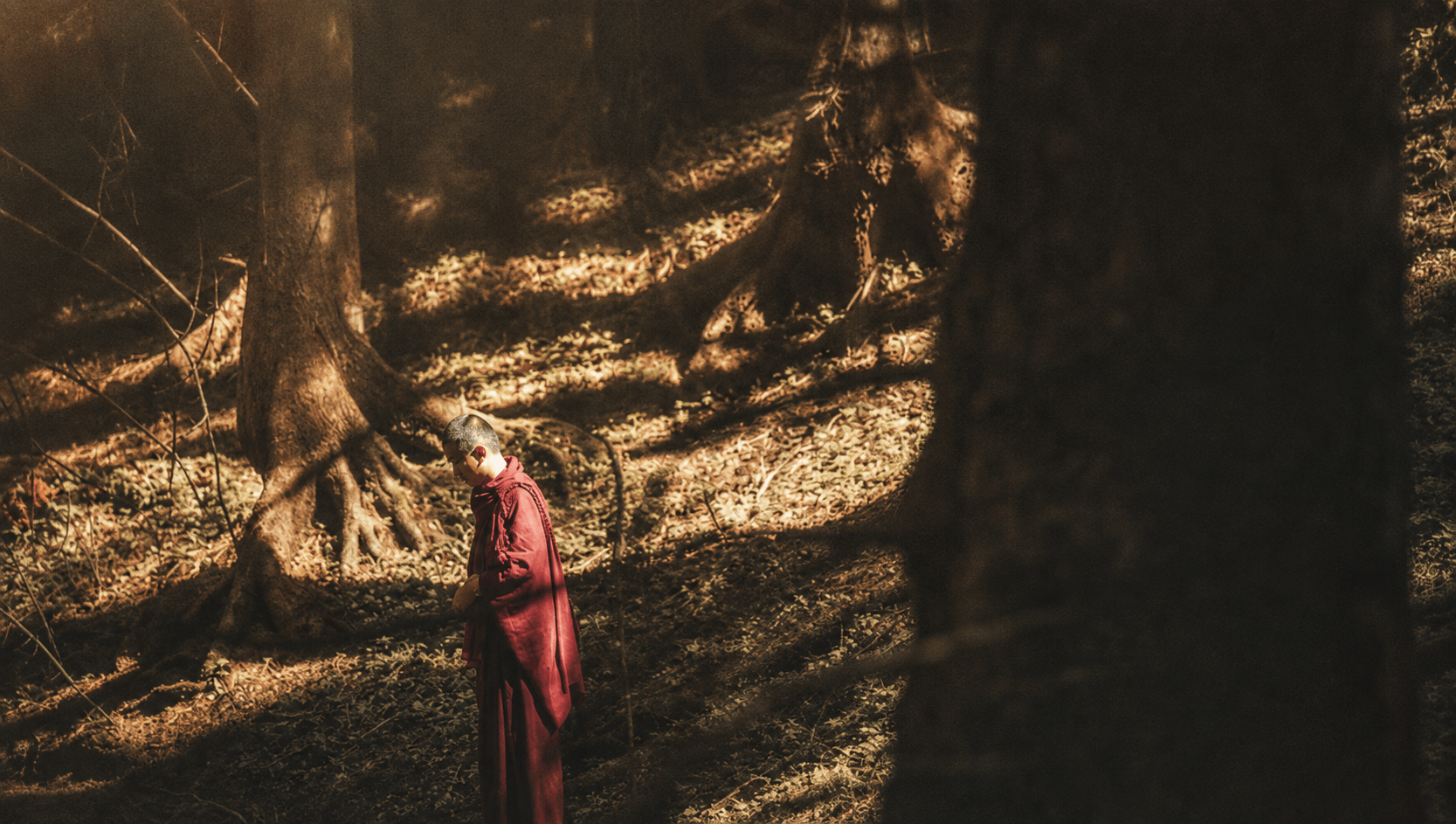
We need to know many things. We also need to know when to stop.
Stillness is not the destination. It is how the mind learns to see clearly.
We often mistake Buddhism for a pursuit of perfect stillness.
But stillness was never the destination. Wisdom is. Practices of retreat and contemplation create a pause, allowing the mind to settle until what was clouded begins to clear.
That ancient practice feels especially relevant now.
AI has made information almost infinite. More words, more images, more opinions and more answers arrive faster than we can absorb them.
The challenge is no longer simply having access to information. It is knowing what is true, what matters, and what is actually ours.
That requires something information alone cannot give us: discernment.
Our sensitivity to language, our sense of taste, and our feeling for what resonates are shaped by the life we have actually lived. These are the parts of us that cannot simply be generated or replaced.
But they need space to develop. Time for experience to settle. Silence for instinct to become clearer. Distance for information to become wisdom.
Attention is not infinite. Sometimes we need to step away while everything is still loud, and give the mind enough space to hear itself again.
This incense is made for that pause: to settle the senses, draw a
quiet boundary around your attention, and make room for clarity to
return.
Give time some time.
This incense begins in monastery rooms, close to the hands that still keep the practice alive.
Each stick is rolled slowly by hand. Pressure, pace, and drying are guided by experience — so the herbs hold together without losing their finer notes.
What reaches your room is more than a scent. It is a trace of time, patience, and a hand that knows what it is making.

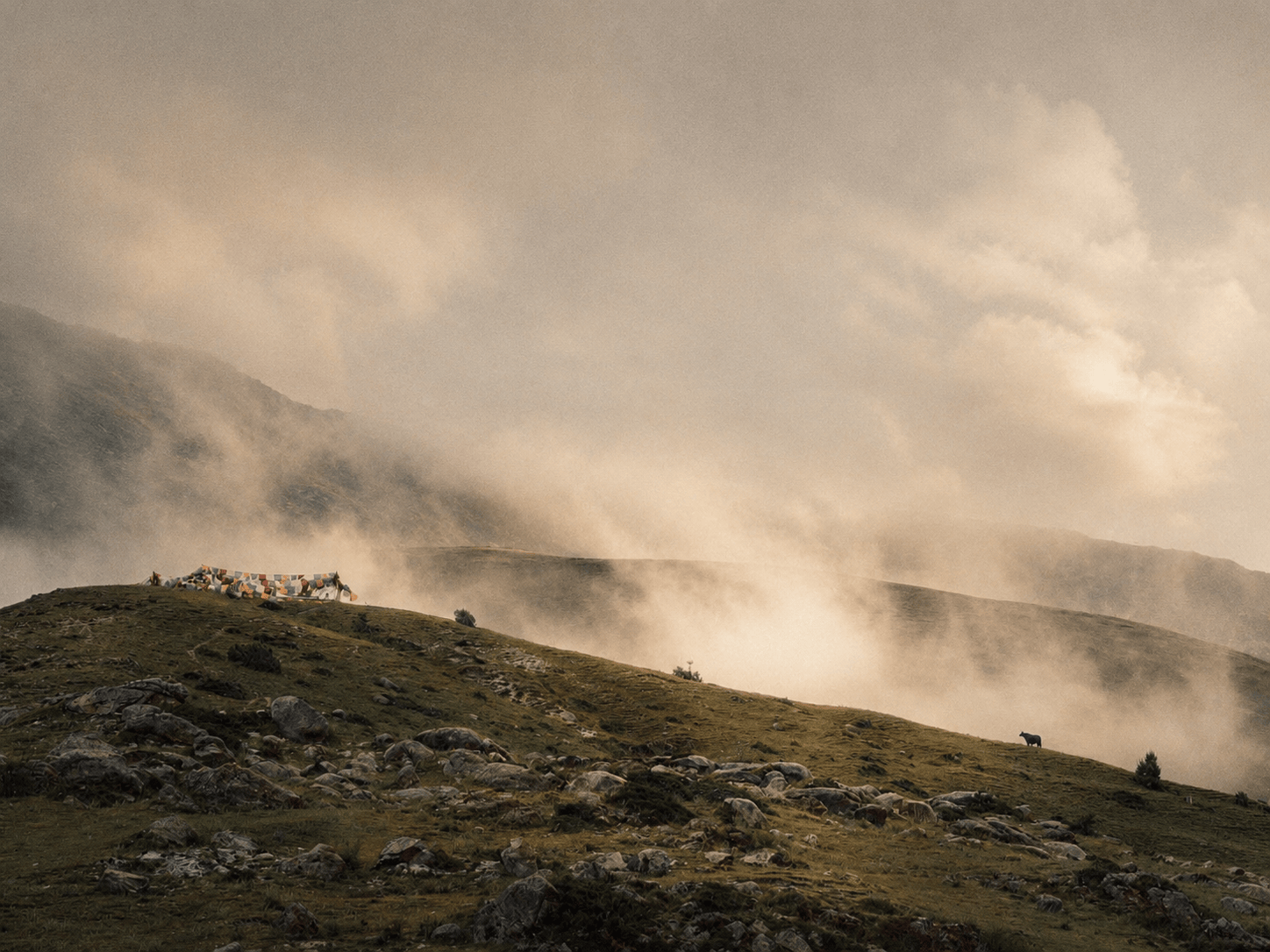
What to expect from the scent, how much to burn, and how to choose a suitable holder before your first use.
Rongwo 35 is worth considering if you want to explore herbal, dry-grass, and grounded aromatic notes rather than a clearly sweet or floral fragrance. Its described scent profile is deep and grounded, with agarwood and a soft smoky character.
If you usually choose sweet incense, this may feel unfamiliar at first. Start with a small amount in a ventilated room and experience the fragrance at a comfortable distance, rather than smelling directly above the burning tip.
No. Rongwo 35 is a multi-ingredient Tibetan incense, not a single-ingredient agarwood product. The listed ingredients include red and white sandalwood, saffron, agarwood, benzoin, and spikenard alongside other botanicals.
Expect the character of a blended incense rather than an isolated agarwood aroma. An ingredient list does not establish which note every person will notice most, and the agarwood proportion is not specified here.
“Soft smoke” describes the aromatic character; it is not a measured low-smoke rating. Rongwo 35 produces smoke when burned, and the amount you notice depends on how much you burn and the airflow in your space.
Do not treat it as smokeless or suitable for a closed room. Burn a small amount with ventilation. If smoke irritates your eyes or breathing, extinguish the incense and air out the room rather than trying to get used to the discomfort.
No. You can use a shorter section instead of burning an entire stick. For your first use, start with a small amount and judge the scent intensity before burning more. There is no single amount that suits every room or person.
If dividing an unlit stick, handle it gently and use only a section that your holder can support securely. Do not light a short piece that is unstable or leaves the ember too close to a surface not intended for direct heat. Keep fresh air moving without directing a strong draft at the incense.
An intact incense stick can generally be relit after it has been fully extinguished and allowed to cool. To stop a burn, carefully smother the glowing tip in clean sand in a stable, heat-resistant container. Make sure no ember remains.
Do not pinch the ember with your fingers or leave a partly glowing stick unattended. Before relighting, check that the remaining stick is dry, unbroken, and long enough to sit securely in the holder. For shorter sessions, using a suitable small section from the start may be simpler.
A regular holder will work only if it supports the stick securely. Some holders are designed for a thin, exposed bamboo end and may not accommodate the body of a Tibetan incense stick.
Check the stick’s end diameter against the holder’s compatibility details. Never force it into a narrow opening or burn it while it leans unpredictably. The ash-catching surface should also cover where ash is likely to fall. Ask us about compatibility before choosing a holder if you are unsure.
A verified burn-time range is not currently provided for Rongwo 35. Stick length alone is not enough to predict it: thickness, moisture, airflow, and how much of the stick you burn all affect the duration.
If a stick goes out early, check that a steady ember was established and that the burning section is not touching the holder or another surface. Store unused incense in a dry place away from humidity. A small unburned end inside the holder can be normal and does not necessarily mean the incense is defective.
Natural ingredients and monastery origins do not make incense smoke harmless. Burning incense produces airborne particles, and people with asthma or smoke sensitivity may find it irritating.
Do not deliberately inhale the smoke or burn incense in an enclosed space with pets. Birds are particularly sensitive to airborne pollutants; avoid burning incense in their environment. Keep lit and unlit incense out of reach of children and animals, and never leave a burning stick unattended.
If you or a household member reacts to smoke, a smoke-free ritual is a better choice. Rongwo 35 is an aromatic product, not a treatment for anxiety, sleep problems, or respiratory conditions.
loading