
Show details for wild rose
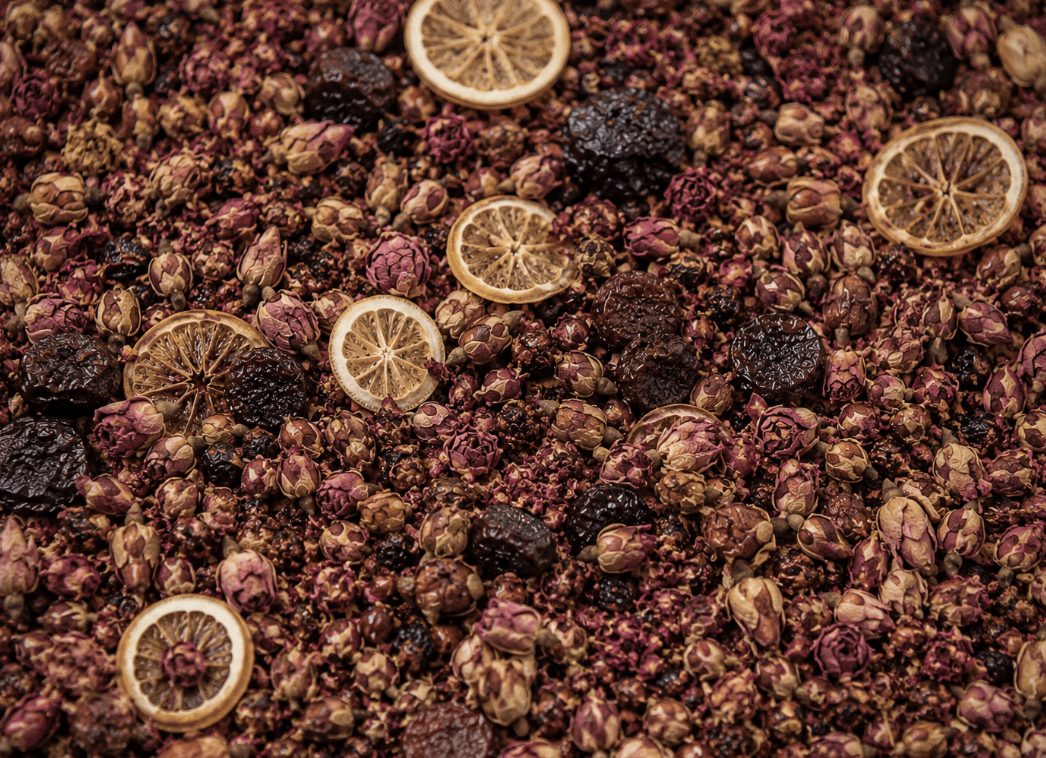
High-altitude wild rose, brightened with lemon and plum, opens with a vivid, almost joyful freshness.


Bright Citrus / Floral / Alpine Herbs / Earthy
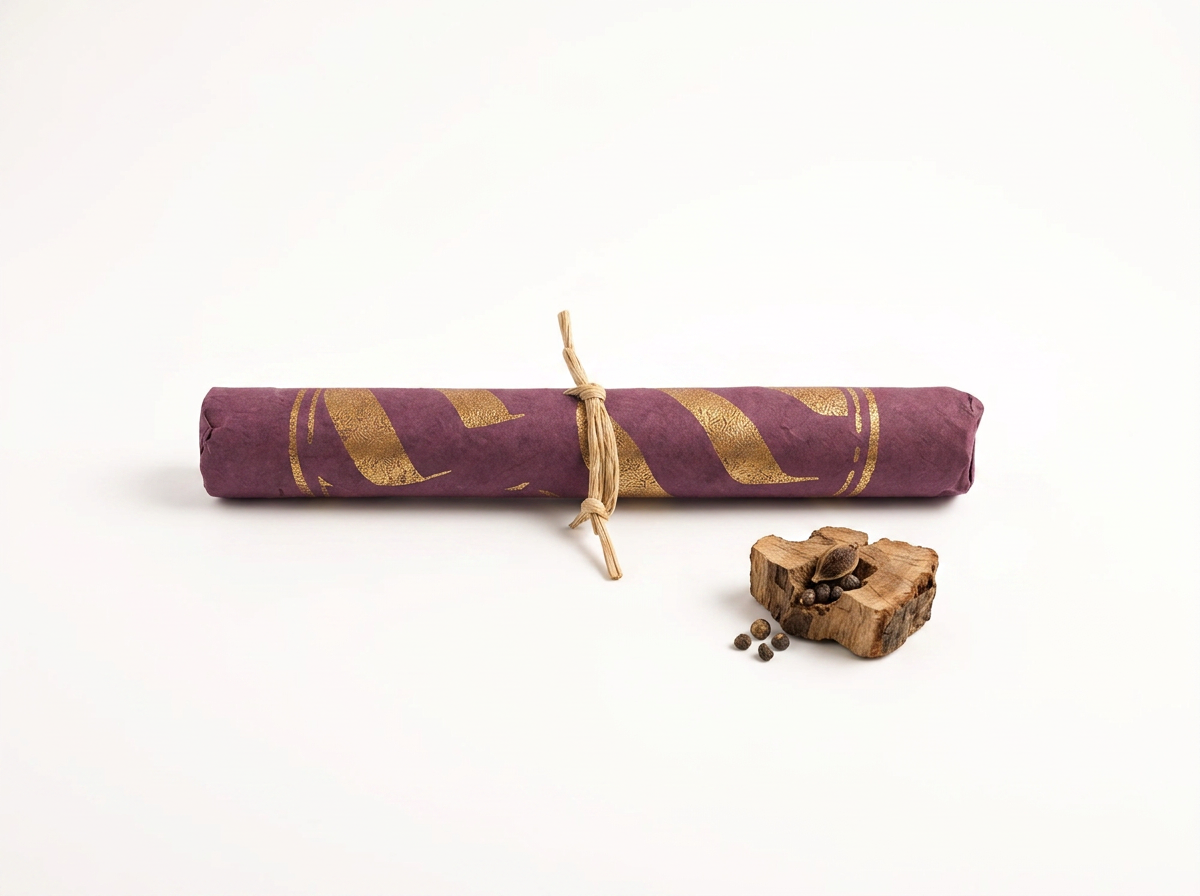
27 hand-rolled incense sticks, approx. 22.5 cm / 8.86 in. each
Bright fruity notes and wildflowers awaken the senses, while sandalwood and Indian spices intertwine to create a woody-herbal scent. Alive yet grounding, wild yet clean—a quiet return to nature.
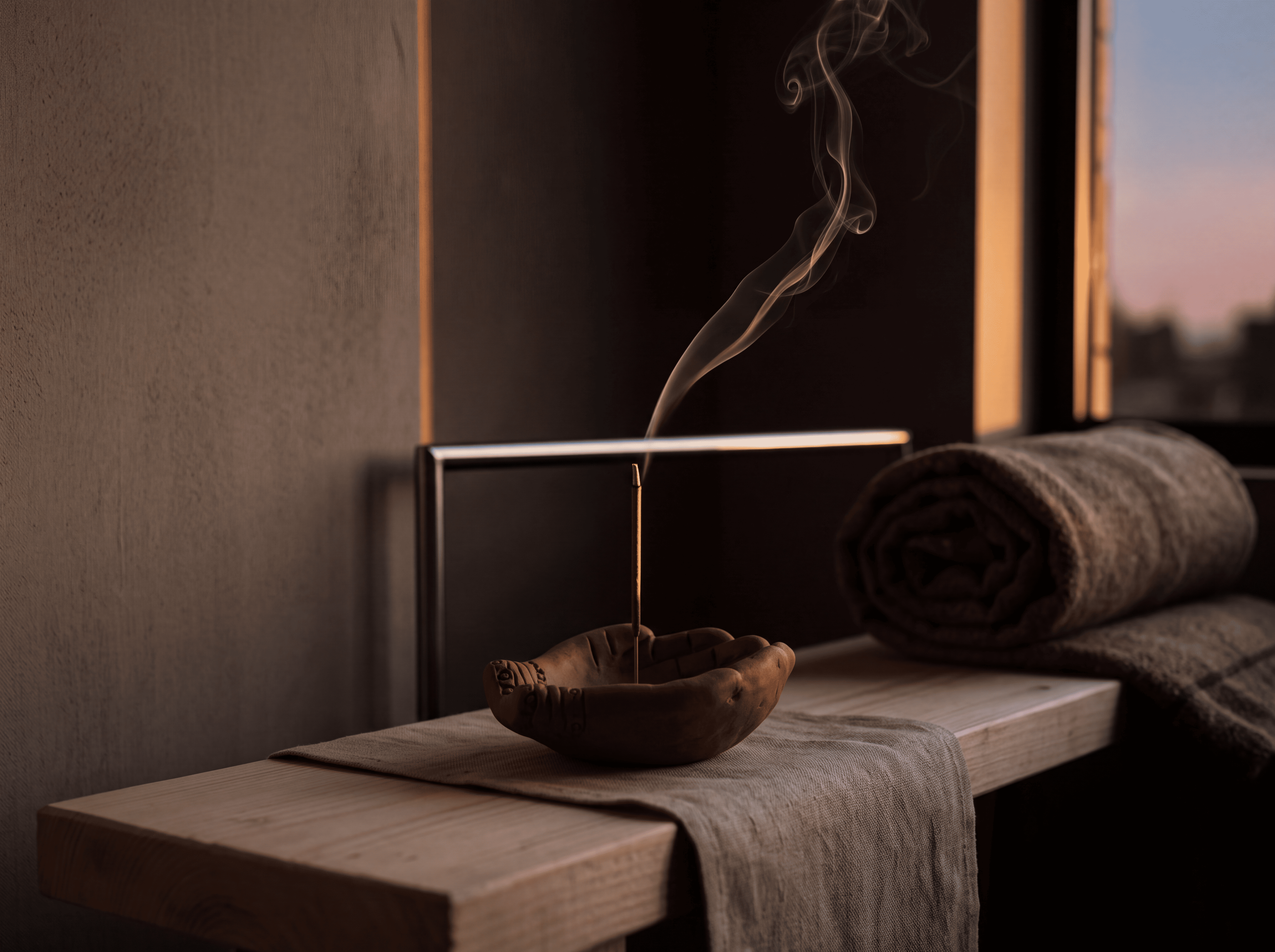
- Place the incense securely in a suitable holder. Light the tip, then gently blow out the flame.
- Store in a cool, dry place away from direct sunlight and heat.
Packaging - FSC-certified, recyclable paper box and insert.
Shipping - Dispatches from Shanghai within 7–15 business days.
Returns - Unopened and unused items are eligible for return.
Free shipping over $75
Eco-conscious packaging
Secure checkout
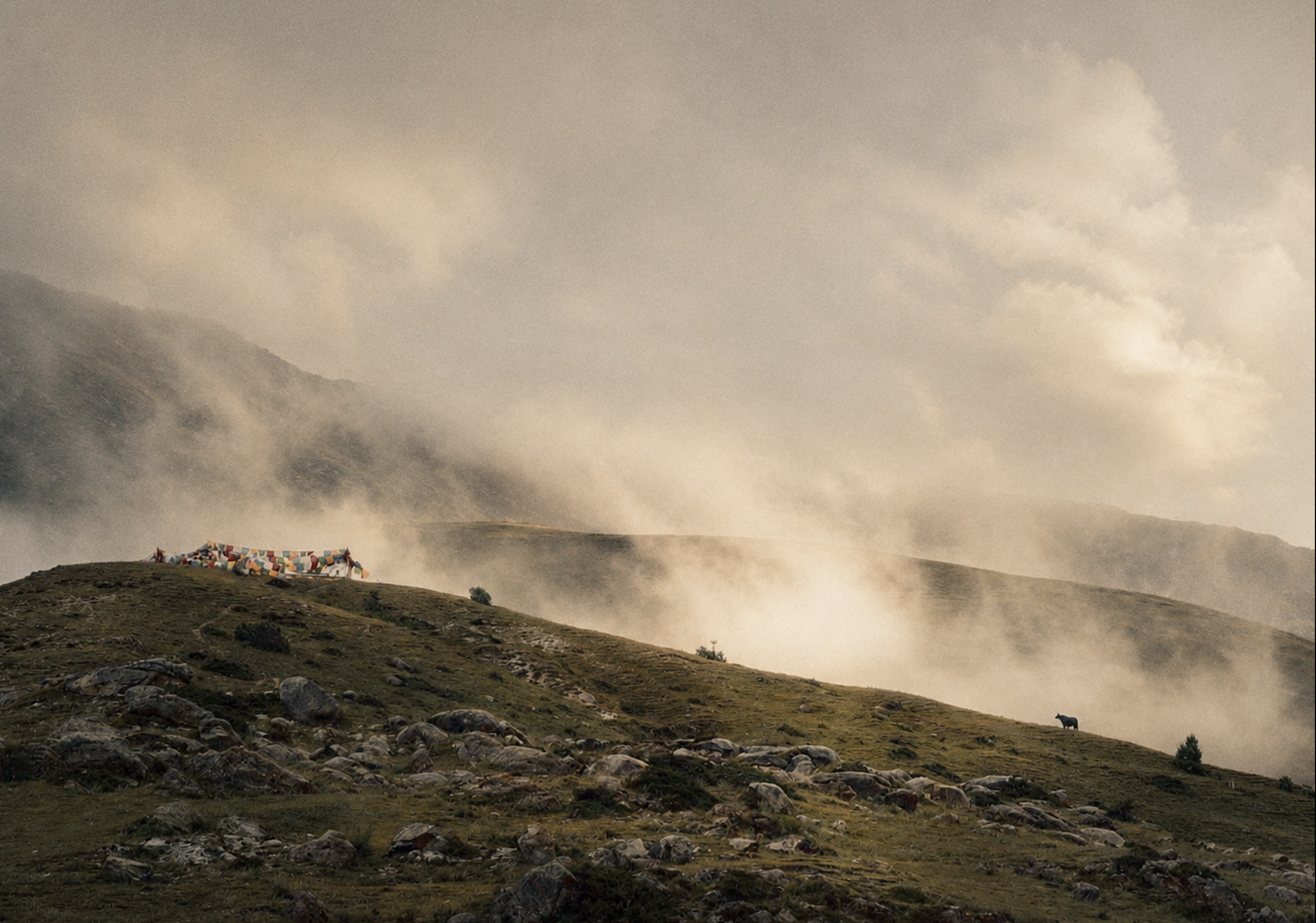
A bright citrus note with a hint of plum gives the scent a fresh, lightly woody opening, reminiscent of wildflowers across the Himalayan highlands in summer. Sandalwood and arborvitae add warmth and depth, leading into notes of Tibetan herbs and lotus leaf. Fresh yet grounded, with a natural, untamed quality that stays clean and light. Made for meditation, quiet rest, or winding down at the end of the day.
A return to the simple pleasure of being in nature, and to something more instinctive.
High-altitude wild rose, brightened with lemon and plum, opens with a vivid, almost joyful freshness.
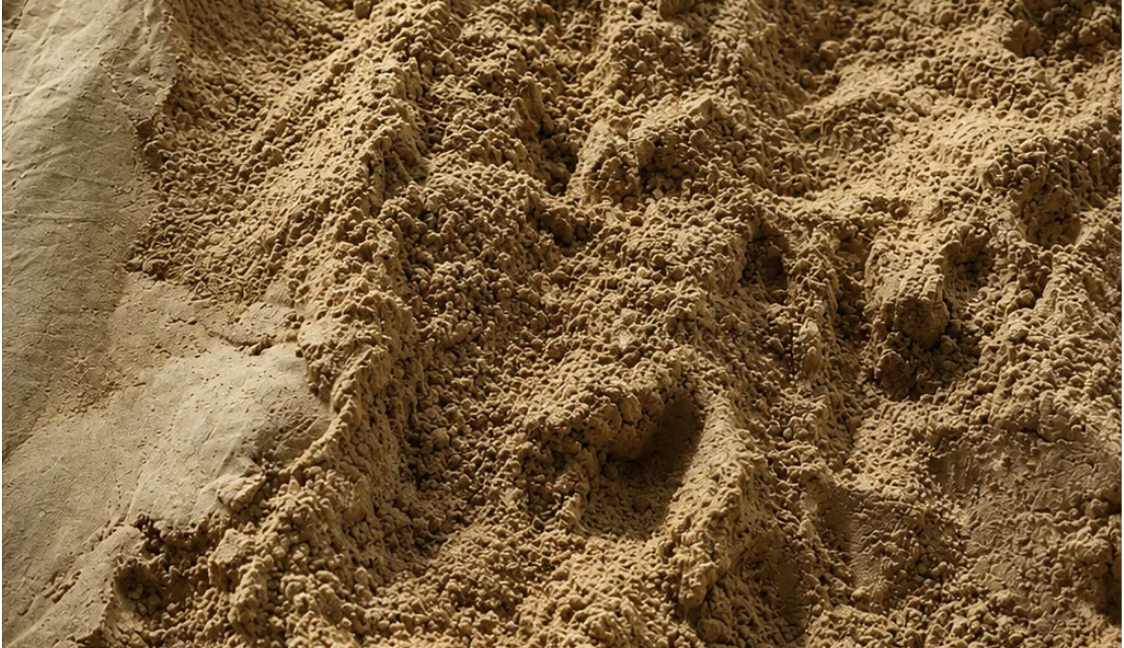
Sandalwood and warm spices from Kullu and Manali meet the deep, woody character of Sikkim cypress — bringing steadiness and quiet strength.

Rhododendron anthopogon, a traditional Himalayan aromatic herb, carries the scent back to the highlands — and to an older sense of ritual, continuity, and trust.

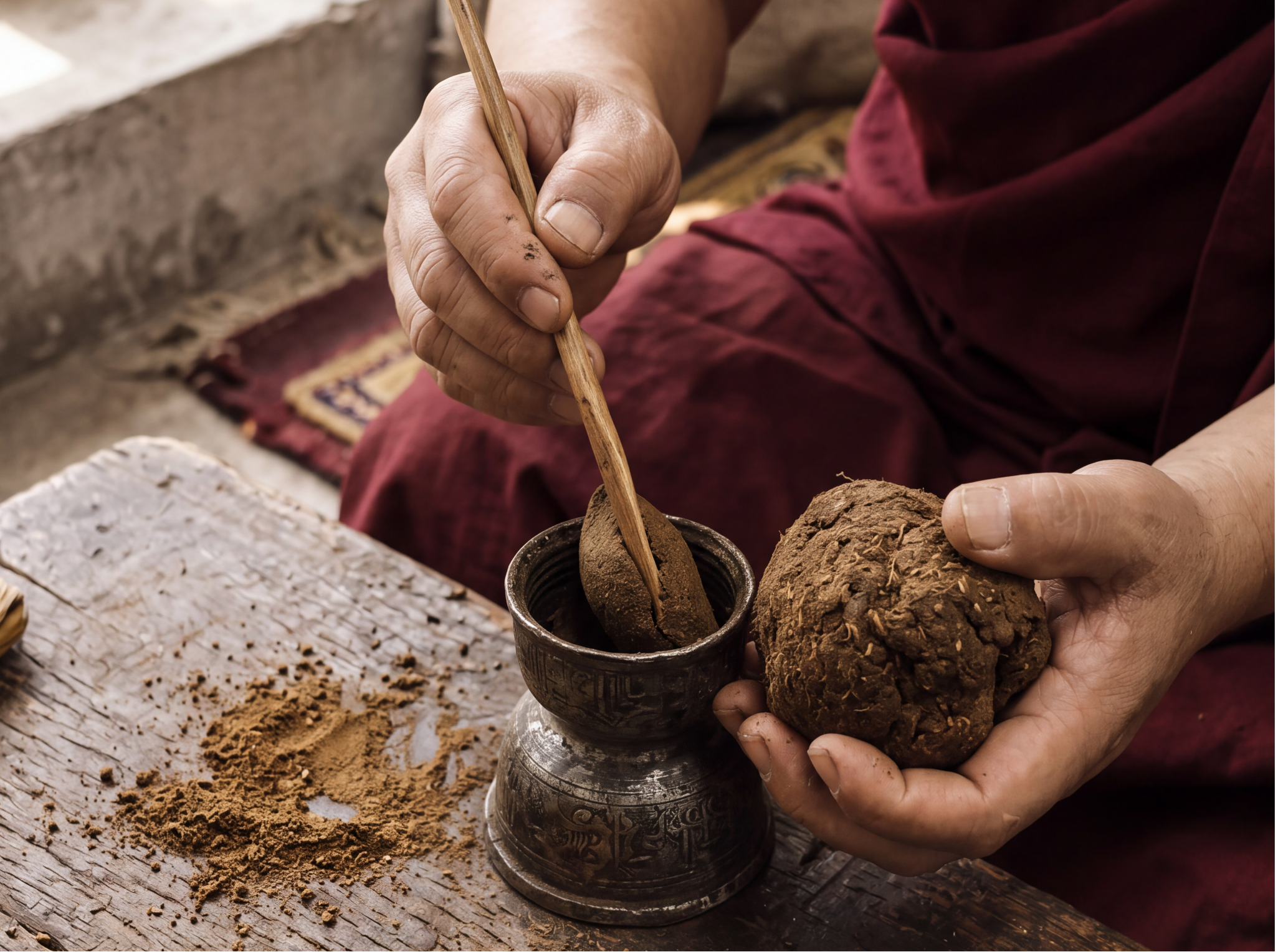
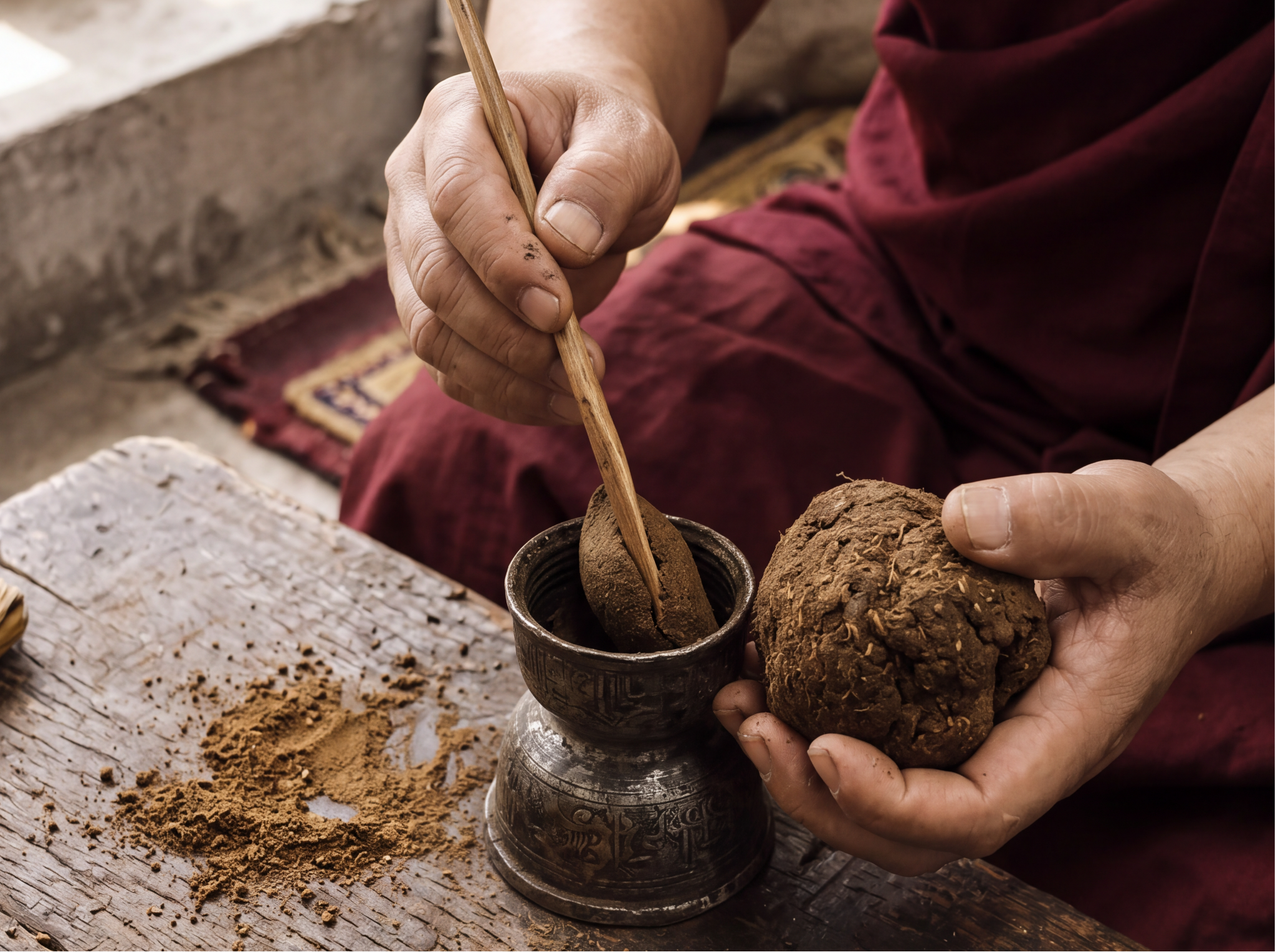
Rooted in a living monastic tradition, with monks taking part in the making. Each stick is rolled by hand, one at a time, retaining the finer notes that may otherwise be lost to mechanized production.

No charcoal coating. No synthetic fragrance. The natural aroma of woods and herbs comes through, without the harsh edge of a burning charcoal layer.

Traditions passed down through generations bring a quiet sense of trust to what we light today. Gentle smoke and a soft, natural aroma carry the ancient practice into everyday life.
“Luck is the life in us that can notice an opening, and still have the courage to meet it.”
In one Tibetan way of thinking, fortune is what happens to a person.
It can be as large as the place we are born, the conditions we inherit, or the kind of world we meet at different stages of life. It can be as small as the weather on a particular morning, or the stranger we happen to meet while buying coffee.
These things are not fully ours to control.
Luck begins somewhere else. It begins in the way we respond.
What we choose, what we notice, what we consider meaningful, and what we remain open to all shape the way chance can reach us.
This is the quiet mechanism of luck: attention.
People we call lucky often seem able to find useful signals inside random events. They notice the small piece of information, the unexpected meeting, the opening hidden inside an ordinary day.
But tension narrows attention. When we are anxious or guarded, we tend to see only what we are already looking for. We miss the information the world is offering. We push away the unfamiliar. We hold too tightly to the signal we expected to find.
Perhaps luck is not only an event. Perhaps it is a way of staying available to chance.
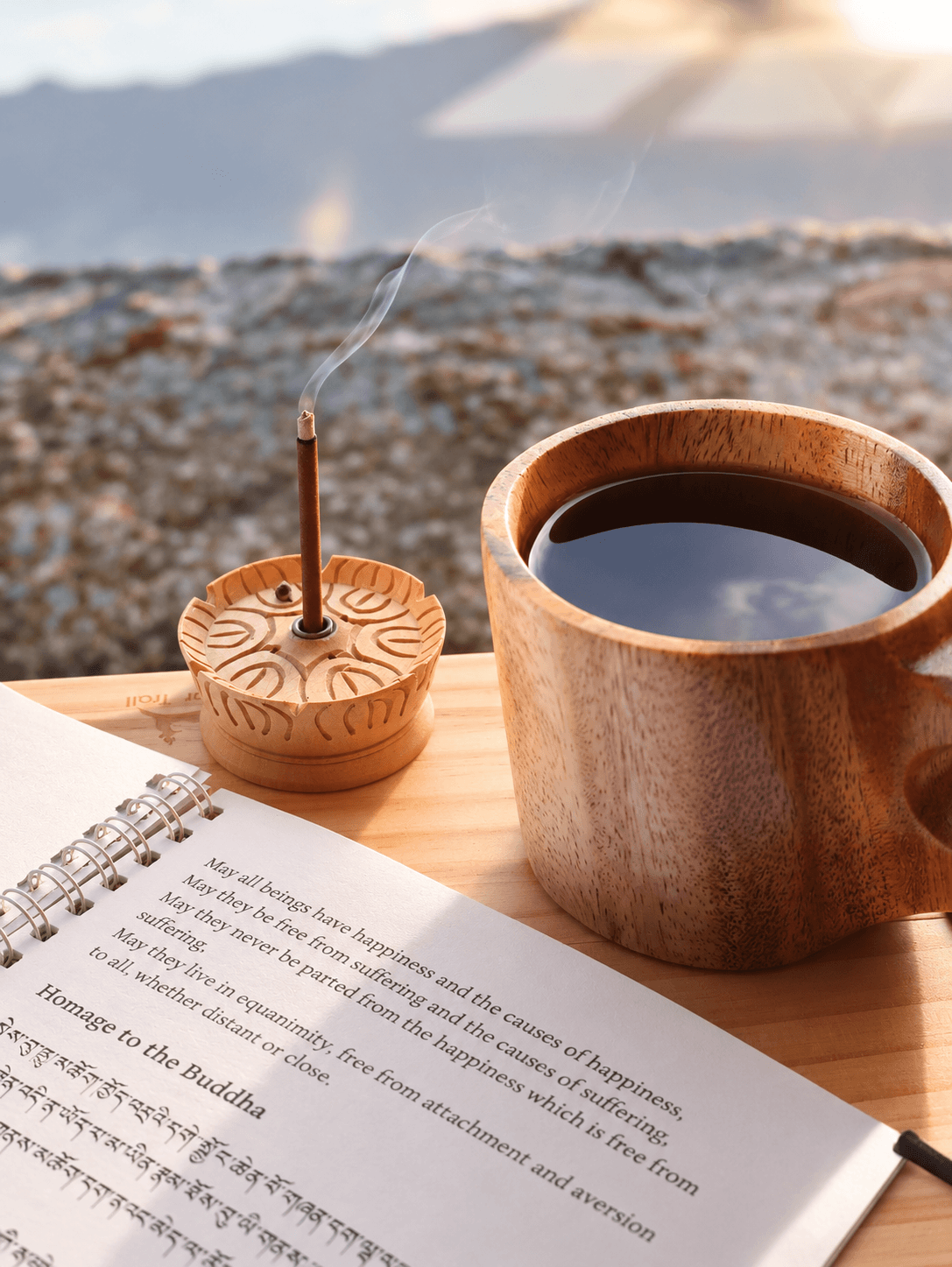
This understanding also shapes how we approach Tibetan incense: not as an answer, but as a small daily ritual for returning attention to the body, the earth, and the possibilities around us.
This incense begins in monastery rooms, close to the hands that still keep the practice alive.
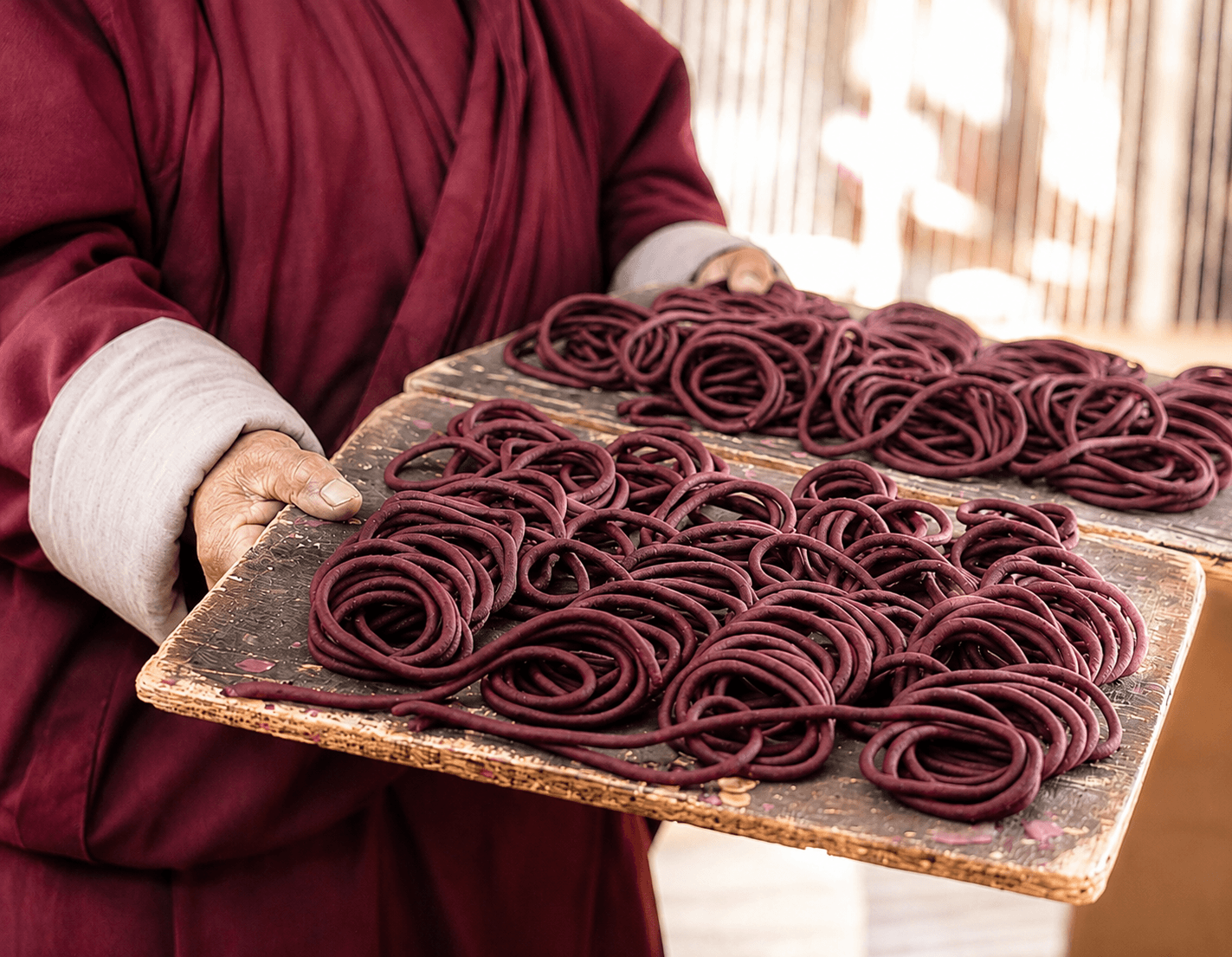
Each stick is rolled slowly by hand. Pressure, pace, and drying are guided by experience — so the herbs hold together without losing their finer notes.
What reaches your room is more than a scent. It is a trace of time, patience, and a hand that knows what it is making.

If you live with cats or other pets, we recommend keeping both burning and unburned Tibetan incense safely out of their reach.
Curiously, quite a few friends and customers have told us that their cats seem fascinated by our incense—sniffing the sticks, chasing them, and occasionally trying to take a bite, almost as if they had discovered catnip.
We love these stories, but we don’t recommend letting pets eat the incense. Natural ingredients aren’t necessarily safe to ingest, and each blend may contain different herbs, woods, flowers and spices.
There’s also a practical reason to keep curious paws away: once natural incense has been chewed or licked, the added moisture can make it more prone to mould.
When burning incense, keep some distance from your pets and make sure the room is well ventilated. Never intentionally expose an animal to concentrated smoke, especially cats, whose respiratory systems can be sensitive.
So let them be curious—just keep the incense out of paws, mouths, and noses.
You don’t need to burn a whole Tibetan incense stick.
In a smaller apartment, we often recommend breaking off only the amount you need, lighting that small piece, and letting the fragrance gently move through the room.
We are not aware of a historical or religious basis for treating a broken stick as inherently inauspicious.
Incense doesn’t become more meaningful simply because you burn more of it.
Many Tibetan incense blends are made for purification, settling a space, or creating a quieter atmosphere. Use an amount that feels appropriate for the size of your room and the moment you’re creating.
Keep some fresh air moving, place the incense away from your face, pets and anything flammable, and never leave it burning unattended.
A small piece is enough.
The point is not how much you burn, but what the moment
becomes.
loading