

About LAGPA
Hands, place & time.
Founded between Shanghai and Hong Kong, LAGPA explores incense, traditional craftsmanship, and the ways of living shaped by place and time.
Our first chapter begins with incense. Through the stories of temples, old workshops, artisans, and nomadic traditions, we explore how scent connects people with nature, belief, and their inner lives.
Incense · Craft · Everyday rituals
Place & Culture
Incense, in context.
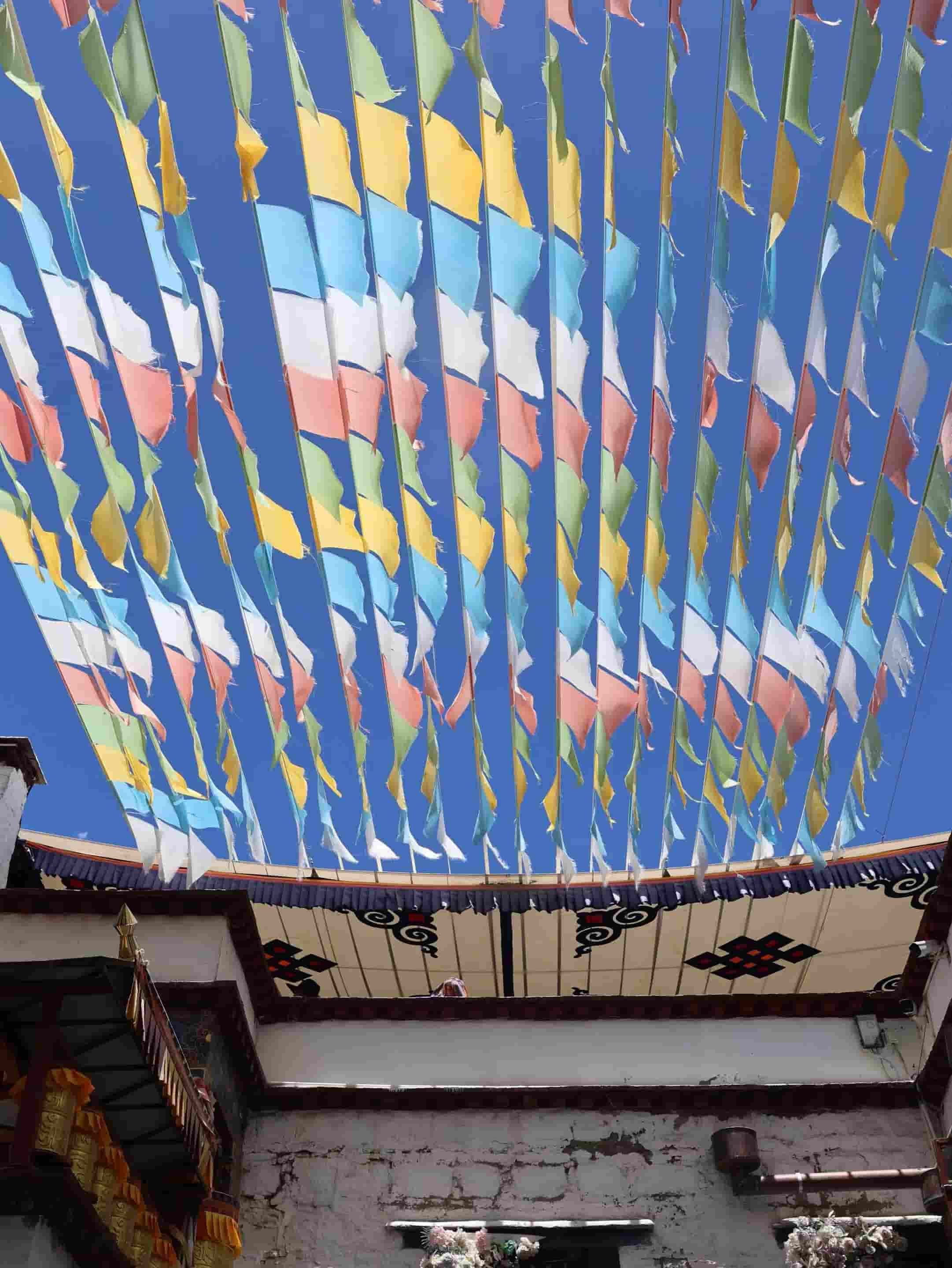
Our first chapter begins with incense, but our curiosity reaches beyond scent. We look to the places, people, and traditions that give it meaning.
Our exploration of Tibetan incense brings questions of craft, belief, and everyday practice into view. Rather than treating it as an object apart from its surroundings, we seek to understand the context in which it is made and used.
For LAGPA, this is a way of looking more closely, and of learning with respect.
Our Story
Traditional craftsmanship,
seen through hands.
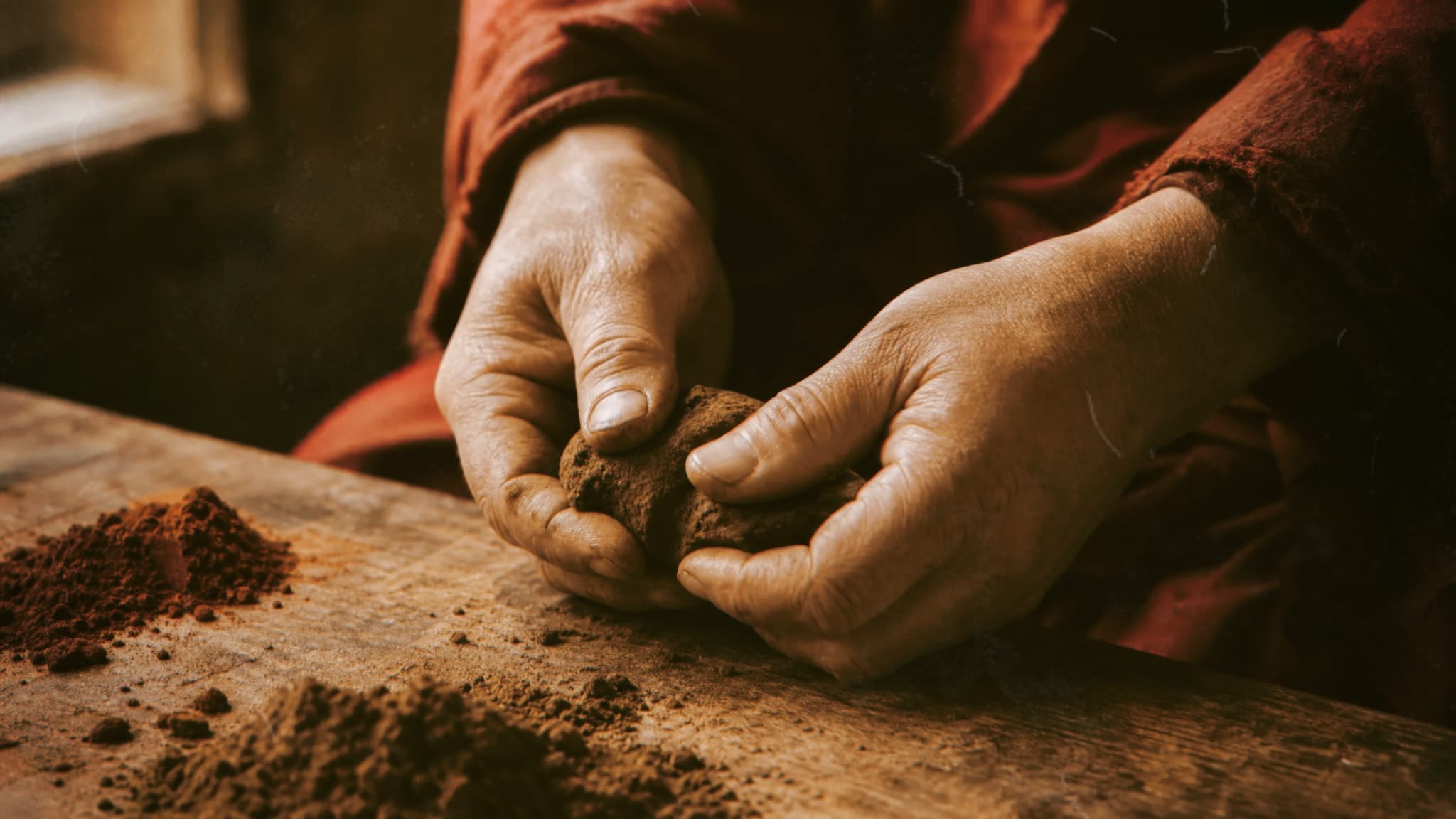
Hands carry more than skill. They hold the traces of work, care, patience, and the ways a person has learned to shape the world.
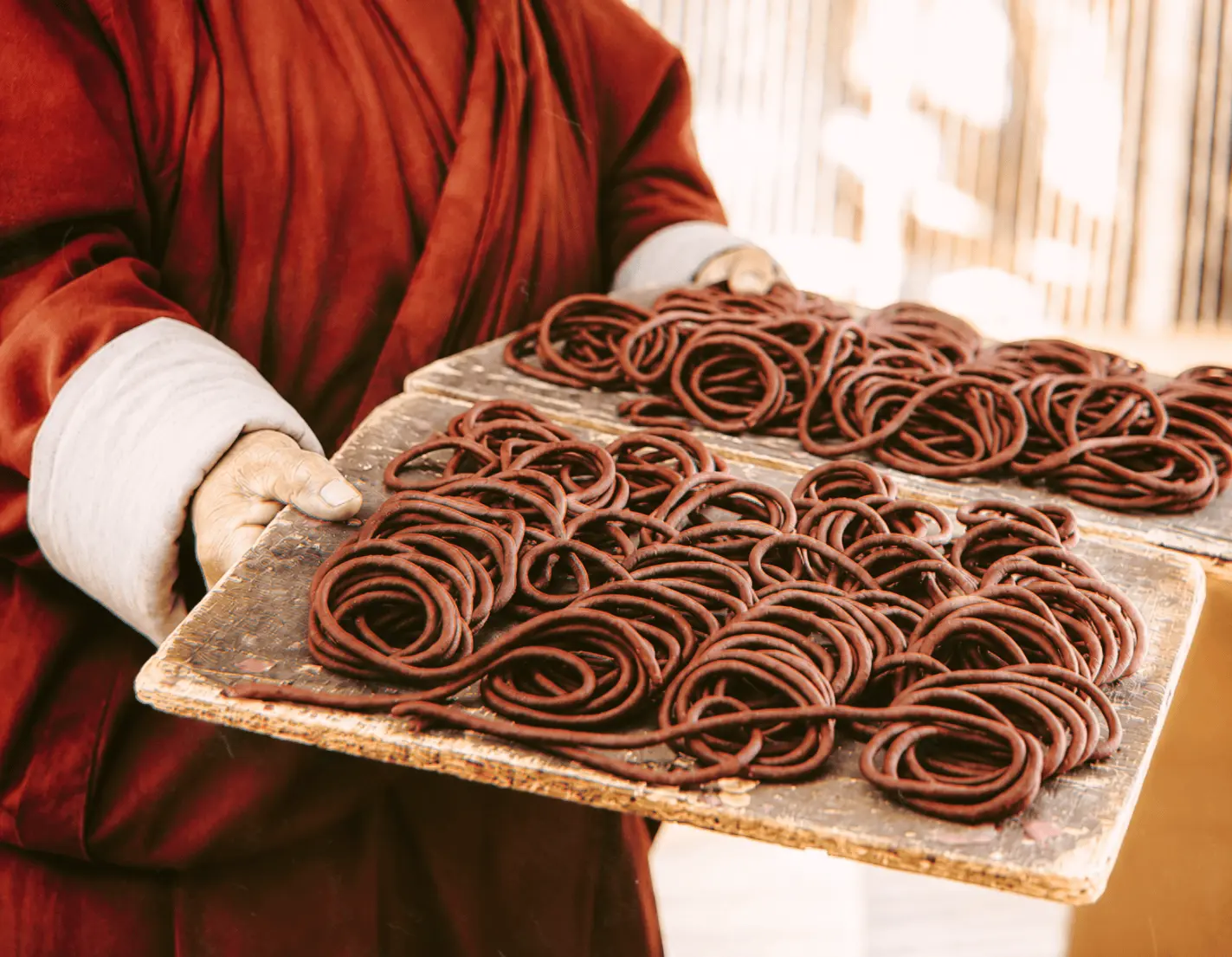
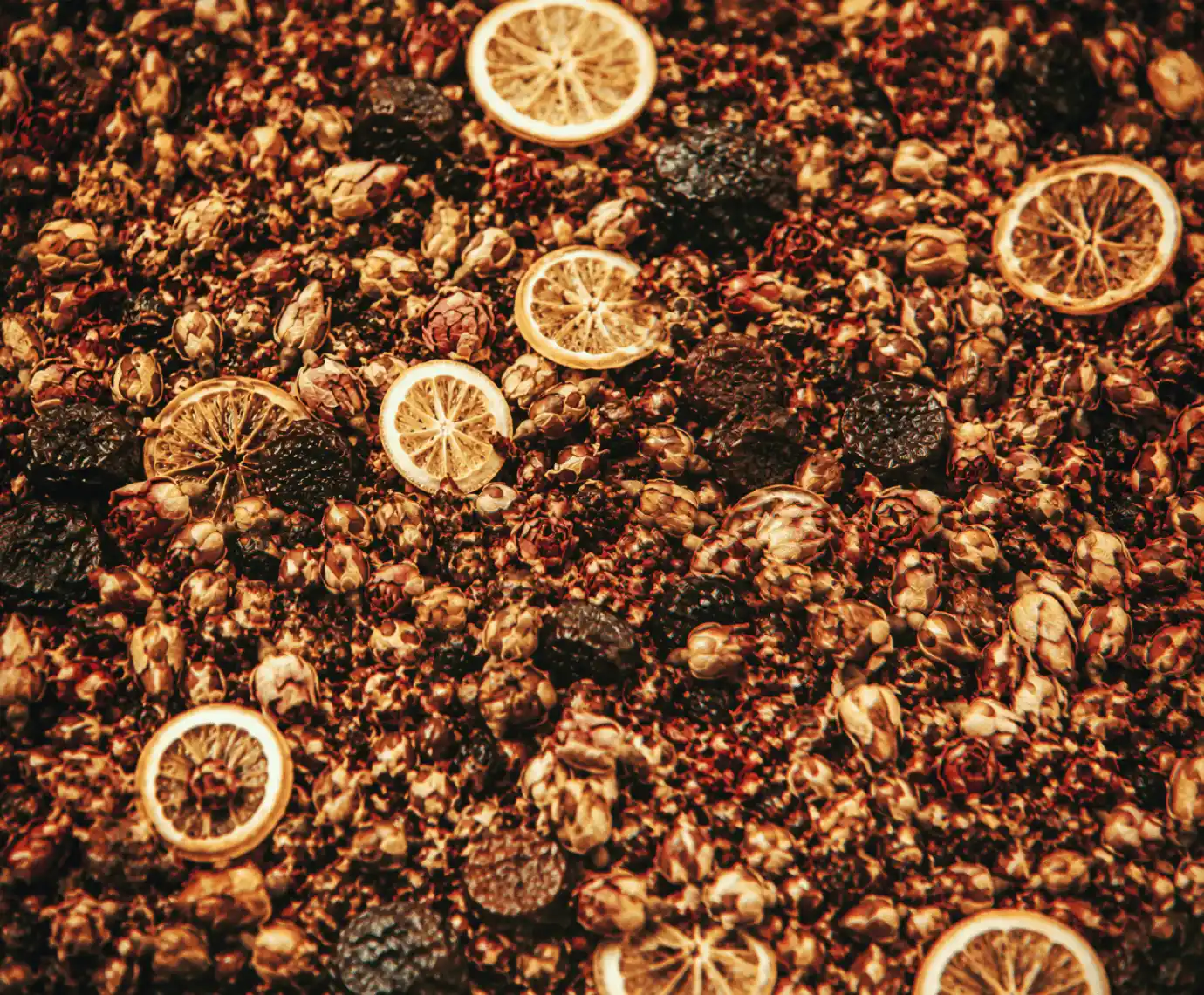
We are drawn to things shaped by hand, not because they are perfect, but because they reveal something of their making. In the shaping of incense, small variations in texture and form can make the work of hands visible.
For LAGPA, traditional craftsmanship begins with noticing those traces and the people behind them.
Not perfect. Full of presence.
Our Belief
To see the hands is to see the person.
A handprint on a rock wall can feel like a quiet message: I was here.
Today, hands still work, create, care, light, and pass things on. They leave patience, skill, and intention in materials, small traces of a person’s presence.
LAGPA begins with those traces: a way to better understand people, respect nature, and notice what is real.
A Little More About LAGPA
Frequently asked questions.
What is LAGPA?
LAGPA gathers incense, ceramic objects, and small rituals that carry the traces of hands, place, and time. Our interest begins with the people and traditions behind an object, and continues with the place it finds in everyday life.
How does Tibetan incense fit into the LAGPA story?
Tibetan incense is part of our exploration of materials, traditional craftsmanship, and everyday rituals. We approach it not only as a fragrance, but as something connected to people, places, and ways of making. Origins and making methods differ between products; each product page provides the details for that incense.
Are LAGPA products handmade?
Our collection includes hand-rolled incense and handmade ceramic objects. Making methods vary by product, so please refer to the individual product description for its materials, origin, and craftsmanship.
Why might handmade pieces look slightly different?
Hand shaping and natural materials can create small differences in colour, texture, and form. These variations can be part of a piece’s character, rather than signs of identical machine production. Damage or a functional problem should not be dismissed as a handmade variation; if something seems wrong with your order, please contact us.
How should I use incense safely?
Use a suitable, heat-resistant incense holder on a stable, heat-resistant surface that catches falling ash. Keep burning incense away from flammable materials, children, and pets. Never leave it unattended, and make sure it is fully extinguished before leaving the room.
Burn incense in a well-ventilated space and avoid inhaling smoke directly. Incense smoke can irritate the airways; if you have asthma or respiratory sensitivities, consider avoiding it. Stop use if discomfort occurs, and follow the instructions supplied with your product.
Where can I explore more of LAGPA?
Explore the collection to discover our incense and ceramic objects, or visit our Journal for stories about incense, its cultural context, and everyday rituals.